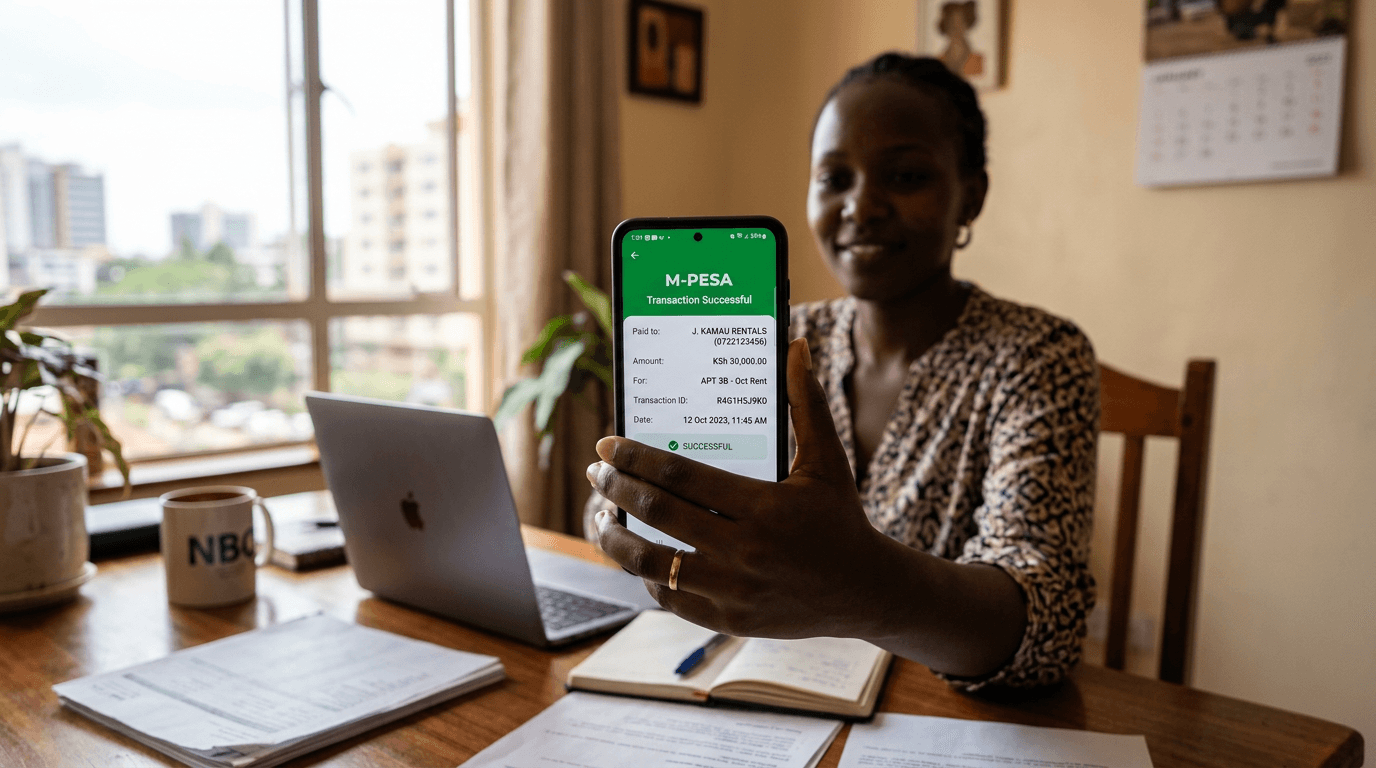
Manual rent collection—cash, bank slips, and ad-hoc M-Pesa—works when you have a handful of units. As your portfolio grows, the same approach leads to missed payments, reconciliation headaches, and poor visibility. This guide outlines how to modernize rent collections in Kenya using clear processes and property management software.
Why modernize?
Manual collection means chasing tenants by phone, matching payments to units by hand, and updating spreadsheets. Errors and delays are common, and you have little real-time view of who has paid and who is in arrears. Modernizing means: (1) automated invoicing and reminders, (2) a single paybill or payment channel so all rent flows to one place, (3) automatic matching of payments to tenants and invoices, and (4) dashboards and reports so you see collection rates and arrears at a glance.
Steps to transition
- Define your billing cycle — Decide whether you bill monthly, quarterly, or otherwise, and stick to it. Software can generate invoices automatically on that schedule.
- Set up a dedicated paybill or till — Use one M-Pesa paybill (or till) for rent so all payments are in one account. Give tenants a clear reference (e.g. unit number or tenant ID) to use when paying.
- Automate reminders — Send reminders a few days before and on the due date with the amount and payment details. Property management platforms can do this automatically.
- Use software that reconciles for you — When payments hit your paybill, the system should match them to the right tenant and invoice and update your books. No more manual spreadsheets.
Best practices
Communicate the change to tenants in advance: explain the new process, the paybill number, and the reference to use. Keep a short transition period if you currently accept cash or bank deposits. Once automated, review collection reports regularly and follow up on arrears promptly. For more, see our rent collection software guide and request a demo to see Nyumba Zetu in action.